Archives
- 2026-10
- 2026-09
- 2026-08
- 2026-07
- 2026-06
- 2026-05
- 2026-04
- 2026-03
- 2026-02
- 2026-01
- 2025-12
- 2025-11
- 2025-10
- 2025-09
- 2025-03
- 2025-02
- 2025-01
- 2024-12
- 2024-11
- 2024-10
- 2024-09
- 2024-08
- 2024-07
- 2024-06
- 2024-05
- 2024-04
- 2024-03
- 2024-02
- 2024-01
- 2023-12
- 2023-11
- 2023-10
- 2023-09
- 2023-08
- 2023-07
- 2023-06
- 2023-05
- 2023-04
- 2023-03
- 2023-02
- 2023-01
- 2022-12
- 2022-11
- 2022-10
- 2022-09
- 2022-08
- 2022-07
- 2022-06
- 2022-05
- 2022-04
- 2022-03
- 2022-02
- 2022-01
-
A previous study showed that miR
2022-10-26
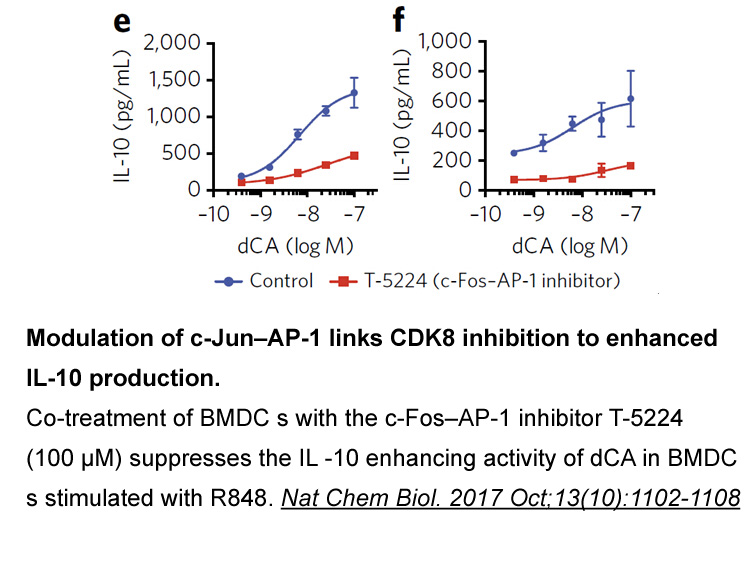
A previous study showed that miR-200c is involved in glucose-mediated pathological processes (Zhang, Guan, & Jin, 2017). Glucose metabolism is critical for the growth and proliferation of both normal PMX 205 and cancer cells, and reprogramming glucose metabolism now has been considered as a target
-
Ozone induced innate inflammatory responses in the lung
2022-10-26

Ozone-induced innate inflammatory responses in the lung involve neutrophil extravasation through enhanced trans-endothelial migration (Krishna et al., 1997). Catecholamines and glucocorticoids, which are increased by ozone inhalation (Bass et al., 2013, Miller et al., 2015, Miller et al., 2016a, Mil
-
Furthermore stress hormones can indirectly induce DNA damage
2022-10-26
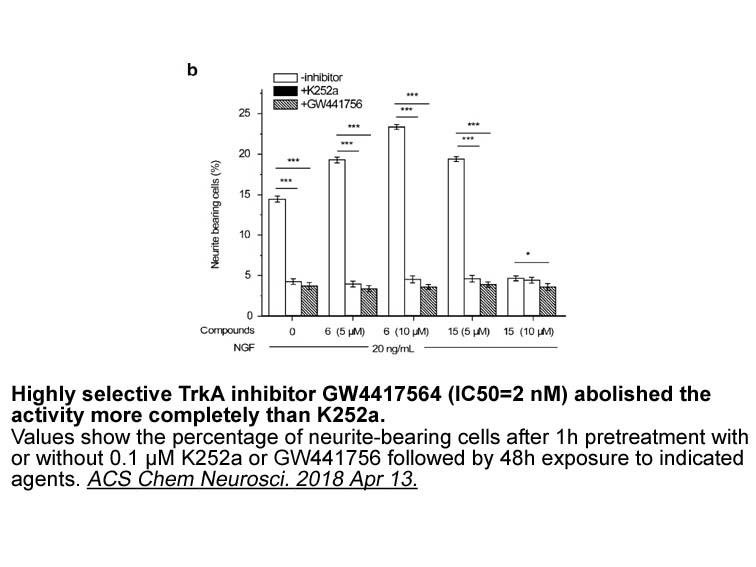
Furthermore, stress hormones can indirectly induce DNA damage, for example by altering DNA repair and transcriptional regulation of the cell cycle. It has been found that stress hormones induce the up-regulation of checkpoint kinase 1 (Chk1) and checkpoint kinase 2 (Chk2) and proto-oncogene cell div
-
br Materials and methods br Results br Discussion
2022-10-26
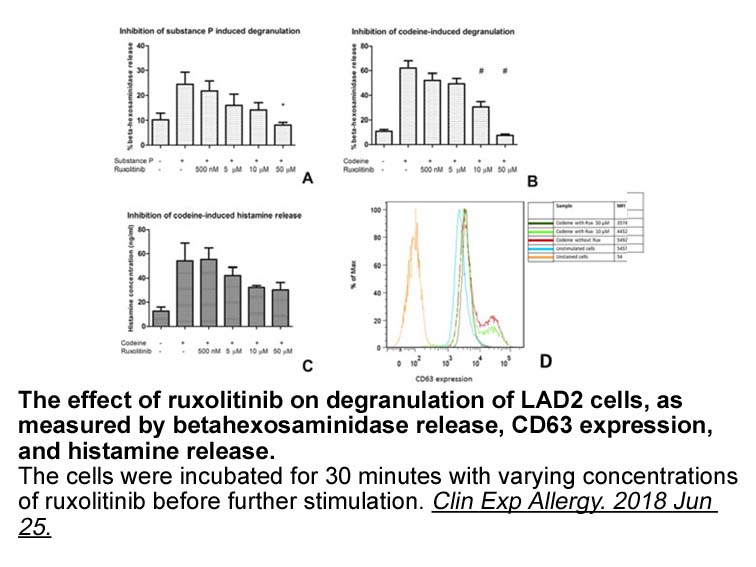
Materials and methods Results Discussion This study demonstrates that treatment with a selective adenosine kinase inhibitor ABT-702, thereby enhancing extracellular adenosine, can provide partial protection from age-related hearing loss in C57BL/6J mice. Chronic treatment with ABT-702, comm
-
br Experimental Procedures br Acknowledgments br Introductio
2022-10-26
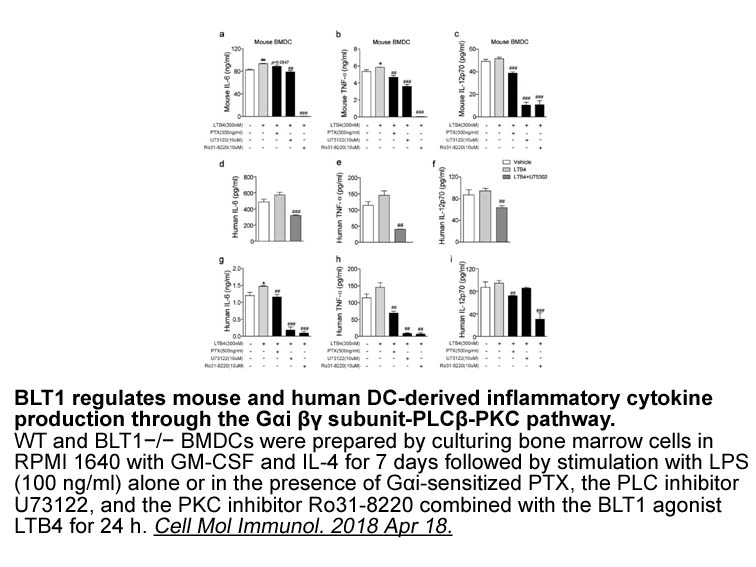
Experimental Procedures Acknowledgments Introduction Synapses are fundamental units for efficient communication between neurons and their target cells. Despite significant progress in understanding the structure of matured synapses, less is known about the mechanisms by which neurotransmitt
-
Introduction Chronic inflammation is increasingly known as o
2022-10-26

Introduction Chronic inflammation is increasingly known as one of the most critical etiological factors in gastrointestinal (GI) cancers (Lee et al., 2016; Wang and Cho, 2015). Overexpression of 5-lipoxygenase (5-LOX), 5-LOX-activating protein (FLAP), as well as other leukotriene (LT) biosynthetic
-
Our results showed suppressed autophagy in
2022-10-26
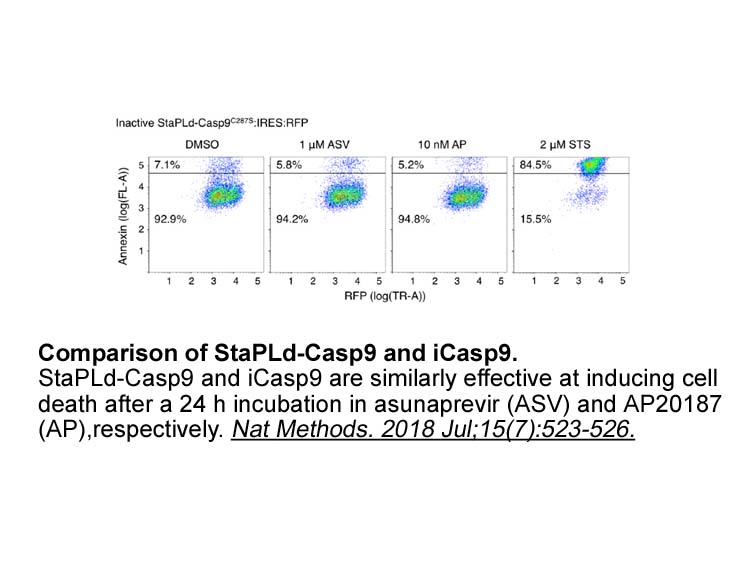
Our results showed suppressed autophagy in GECs under HAGG stimulation. Recently, people have paid more attentions on the roles of autophagy in lupus and tried to use autophagy regulators for therapy. Rapamycin could prevent the development of nephritis [49] and attenuate the established nephritis
-
Despite their different effects on cell survival
2022-10-26
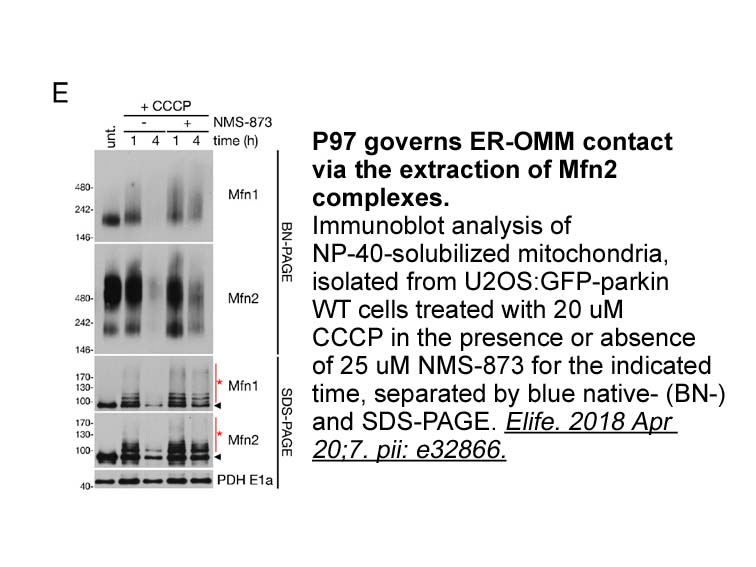
Despite their different effects on cell survival, the functions of autophagy and apoptosis are not completely independent. Additionally, Cho et al. (2009) suggested that the mediation of caspase-3 links the apoptotic and autophagic signaling pathways. Consequently, to illuminate the correlation, exc
-
br Materials and methods br Acknowledgement
2022-10-26
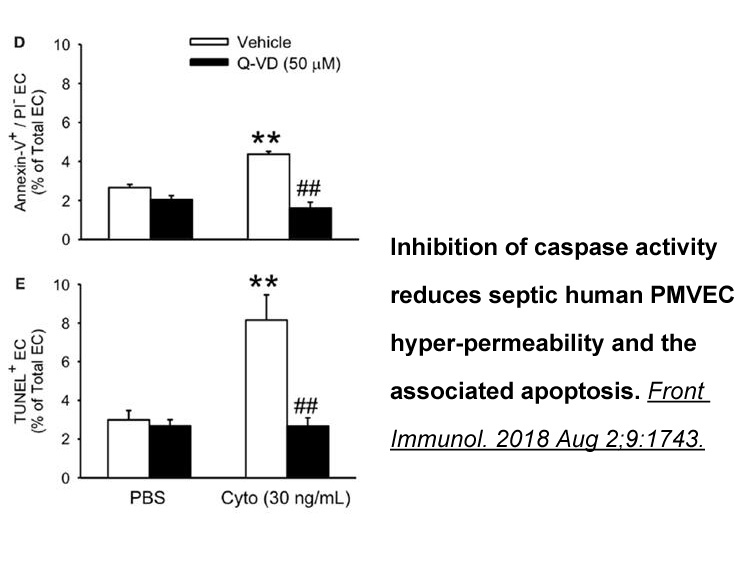
Materials and methods Acknowledgement This work was supported by the Beijing Natural Science Foundation (Grant no. 6151001), and the National Natural Science Foundation of China (Grant no. 31572516). Introduction Staphylococcus aureus is an important microorganism responsible for both clin
-
br Acknowledgements This work was supported in part by NIH
2022-10-26
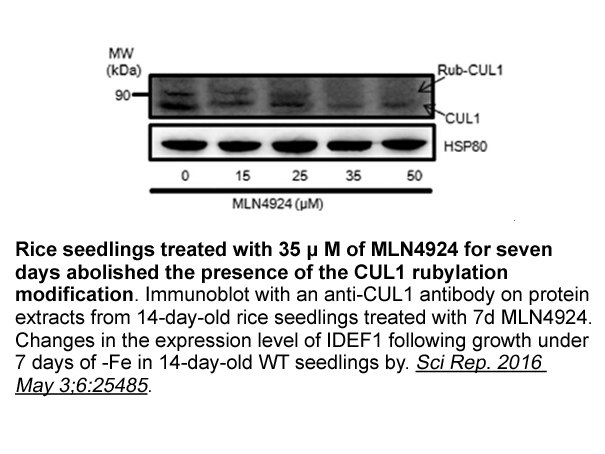
Acknowledgements This work was supported, in part, by NIH grant R01-GM071760. Introduction The MADS box genes encode a eukaryotic family of transcriptional regulators involved in diverse and important biological functions. This class of proteins has been identified in yeasts, plants, insects,
-
br Acknowledgements br Introduction The angiogenic ocular co
2022-10-26
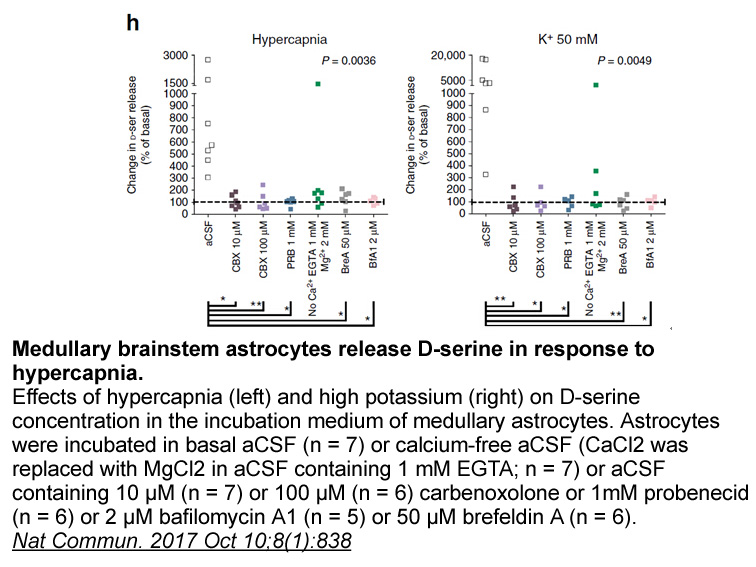
Acknowledgements Introduction The angiogenic ocular conditions represent the most common cause of blindness in developed countries [1]. It can affect all ages, for example, retinopathy of prematurity (ROP) in infants [2], [3], diabetic retinopathy (DR) [4] in working age adults and age-related
-
To the best of our
2022-10-26
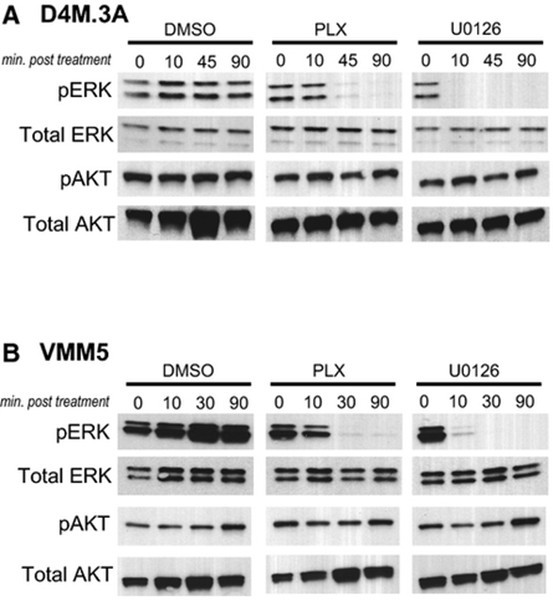
To the best of our knowledge, this is the first study documenting the SCC modulatory effect at central and kidney level on the shift in the vasoconstrictor-vasodilator ratio of mRNA expression of angiotensin receptors toward vasoconstriction in XY-SCC and/or vasodilation in XX-SCC mice. From these r
-
Androgen receptor translocates from the cytoplasm
2022-10-26
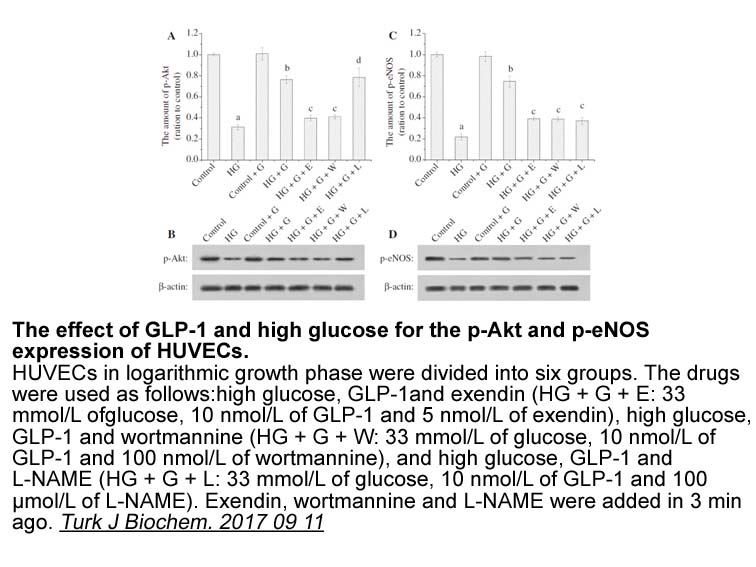
Androgen receptor translocates from the cytoplasm to the nucleus after binding to its ligands (Quigley et al., 1995). In the current study, although propofol did not significantly affect total androgen receptor protein levels, it significantly decreased nuclear androgen receptor levels. These findin
-
Rising depolarization was observed during and decaying depol
2022-10-25
Rising depolarization was observed during and decaying depolarization after the photostimulation (Fig. 1D). The slow decrease of the firing rate after photostimulation is also a remarkable characteristic of the striatal neuron (Figs. 1E, 2 and 3), since the cortex pyramidal neurons (data not shown)
-
The overall adjustment the non toxicity and the addiction
2022-10-25
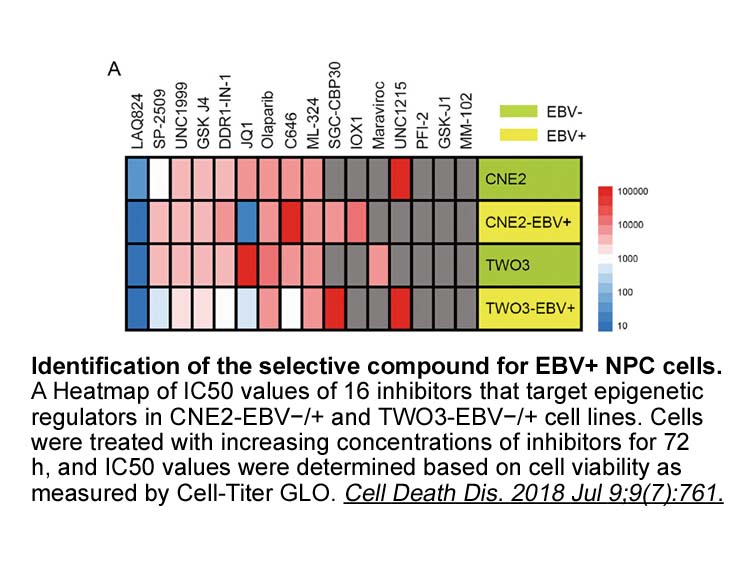
The overall adjustment, the non-toxicity and the addiction-free treatment methods are the advantages of EA. EA treatment for depression has achieved great clinical effect in recent years (Dong et al., 2017). The clinical practice guideline of the American college of physicians (ACP) have pointed out
8642 records 427/577 page Previous Next First page 上5页 426427428429430 下5页 Last page