Archives
- 2026-07
- 2026-06
- 2026-05
- 2026-04
- 2026-03
- 2026-02
- 2026-01
- 2025-12
- 2025-11
- 2025-10
- 2025-09
- 2025-03
- 2025-02
- 2025-01
- 2024-12
- 2024-11
- 2024-10
- 2024-09
- 2024-08
- 2024-07
- 2024-06
- 2024-05
- 2024-04
- 2024-03
- 2024-02
- 2024-01
- 2023-12
- 2023-11
- 2023-10
- 2023-09
- 2023-08
- 2023-07
- 2023-06
- 2023-05
- 2023-04
- 2023-03
- 2023-02
- 2023-01
- 2022-12
- 2022-11
- 2022-10
- 2022-09
- 2022-08
- 2022-07
- 2022-06
- 2022-05
- 2022-04
- 2022-03
- 2022-02
- 2022-01
- 2021-12
- 2021-11
- 2021-10
- 2021-09
- 2021-08
- 2021-07
- 2021-06
- 2021-05
- 2021-04
- 2021-03
- 2021-02
- 2021-01
- 2020-12
- 2020-11
- 2020-10
- 2020-09
- 2020-08
- 2020-07
- 2020-06
- 2020-05
- 2020-04
- 2020-03
- 2020-02
- 2020-01
- 2019-12
- 2019-11
- 2019-10
- 2019-09
- 2019-08
- 2019-07
- 2019-06
- 2019-05
- 2019-04
- 2018-11
- 2018-10
- 2018-07
-
AY 9944 dihydrochloride Post translational modifications of
2021-10-09
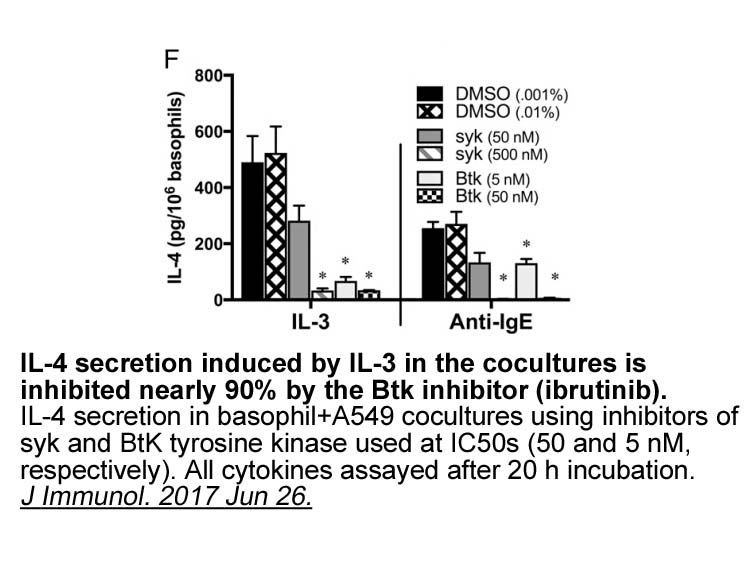
Post-translational modifications of the GR can alter the transcriptional effects of GR activation [31], and may provide a mechanism for the interactions between cell signaling pathways and GR-mediated transcriptional activity. Dex-BSA treatment reportedly increased p38 MAPK activation in CD14-positi
-
One important discovery of our study
2021-10-08
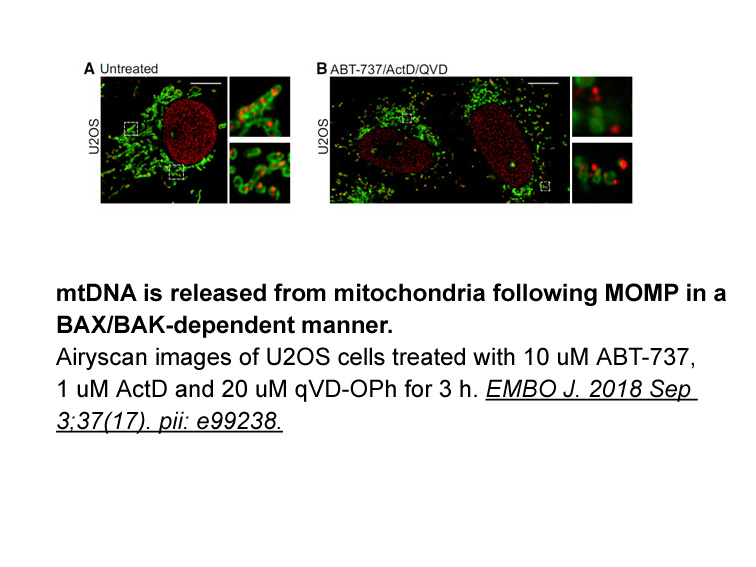
One important discovery of our study is the identification of a pharmacological mechanism for the macrolide antibiotic erythromycin (EM) in promoting joint health. EM is a commonly used antibiotic that directly binds bacterial ribosomes to inhibit protein synthesis [66]. Although EM-like macrolide p
-
br Results br Discussion secretase mediated proteolysis of i
2021-10-08
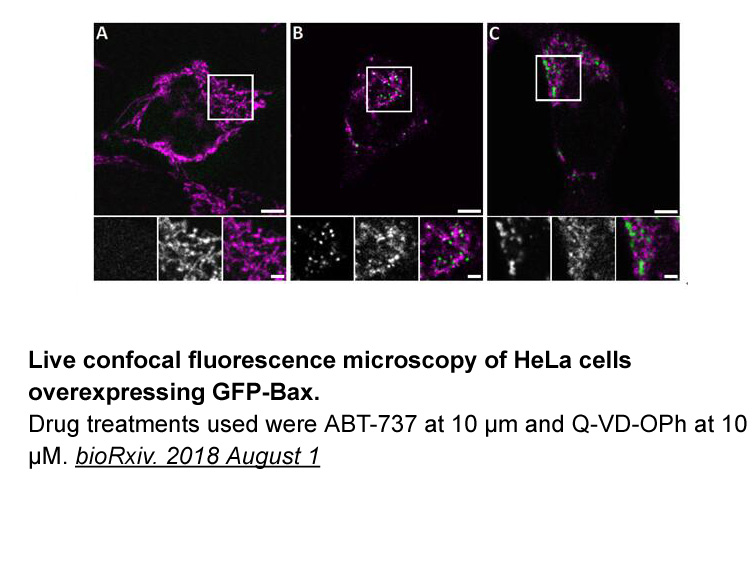
Results Discussion γ-secretase-mediated proteolysis of integral membrane proteins is required for diverse biological processes (Lal and Caplan, 2011). One γ-secretase target of particular interest is Notch, as recent work has shown Notch activity to be increased in obesity and associated metab
-
The effect of GC on Fgf was not directly dependent
2021-10-08
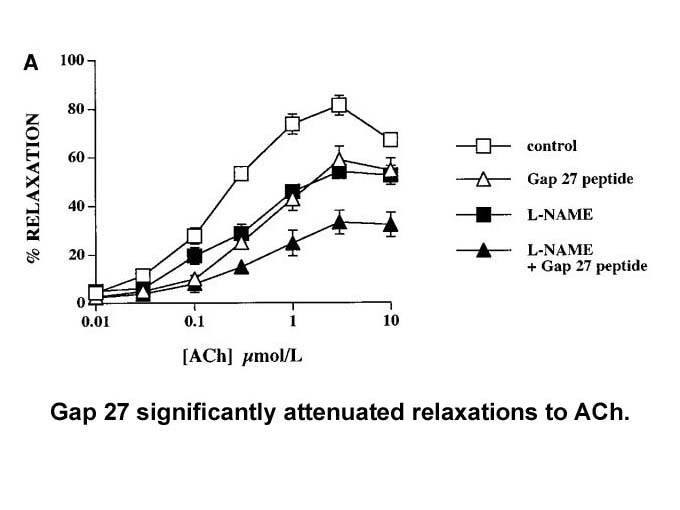
The effect of GC on Fgf21 was not directly dependent on ileal Fgf15 because basal Fgf21 3mb was similar in Fgf15+/+ and Fgf15−/− mice. Moreover, GC treatment induced similar Fgf21 up-regulation in both strains. Fxr activation has been reported to increase Fgf21 expression and secretion [28]. In mice
-
In a follow up study
2021-10-08
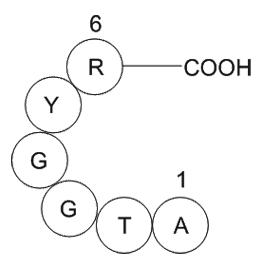
In a follow up study, the same research group further characterized FFA4 involvement in DU145 and PC-3 cancer cell lines by demonstrating that the anti-proliferative and anti-migration activities of FFA4 require the presence of LPA1 receptor (LPA1R), suggesting a mechanism consistent with negative c
-
Following these discoveries the term ferroptosis was
2021-10-08

Following these discoveries, the term ferroptosis was coined in 2012 [25], to describe this iron-dependent, non-apoptotic form cell death induced by erastin and RSL3. This discovery was accompanied by the development of the first small molecule ferroptosis inhibitor, termed ferrostatin-1, and the de
-
YAP TAZ nuclear function is also influenced by
2021-10-08
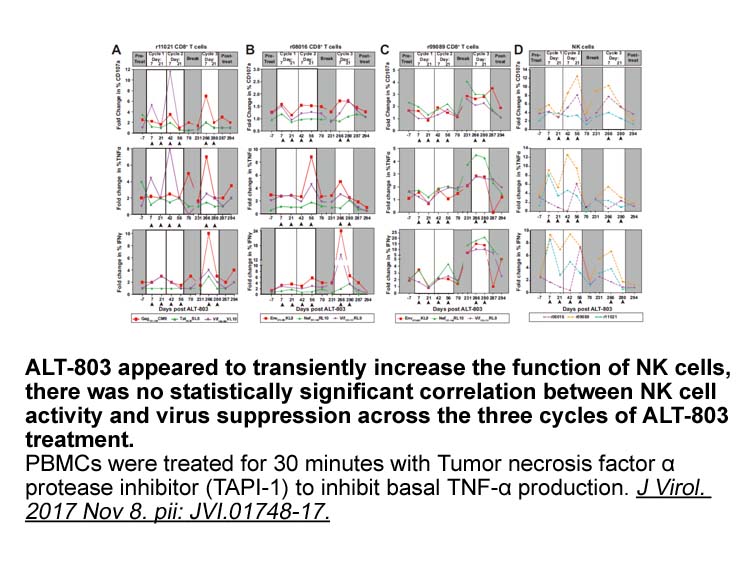
YAP/TAZ nuclear function is also influenced by interaction with the TEAD family of transcription factors [96, 97, 98, 99, 100, 101]. The RAC1 apigenin exchange factor protein TIAM1 has recently been linked to YAP/TAZ regulation in the nucleus and cytoplasm. Nuclear TIAM1 inhibits YAP/TAZ binding to
-
br Experimental br Results br Discussion In this study
2021-10-08
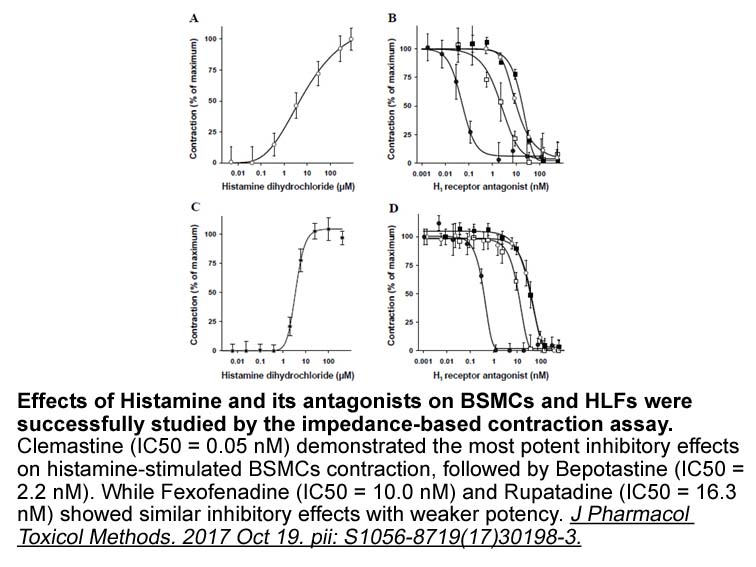
Experimental Results Discussion In this study, we performed molecular docking analysis and in vitro studies to determine whether genistein binds to HIF-1α in BC Triamcinolone and identify the residues involved in this interaction. We found that some functional groups (residues) mimic the b
-
Glutathione transferases EC also referred to as glutathione
2021-10-08
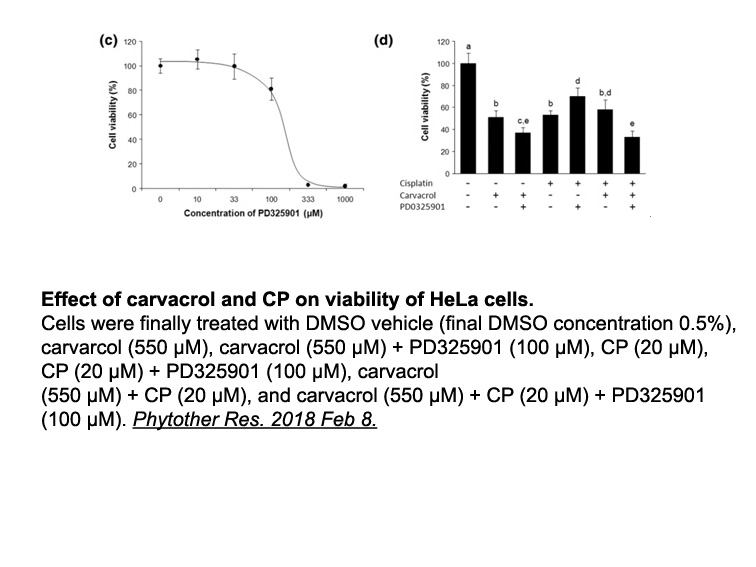
Glutathione transferases (EC 2.5.1.18; also referred to as glutathione S-transferases, GSTs) are ubiquitous and promiscuous enzymes that catalyze various kinds of reactions involving a wide variety of substrates that are toxic and chemically reactive (Angelucci et al., 2005). The primary function of
-
Any brain damage including that caused by amyloid
2021-10-08
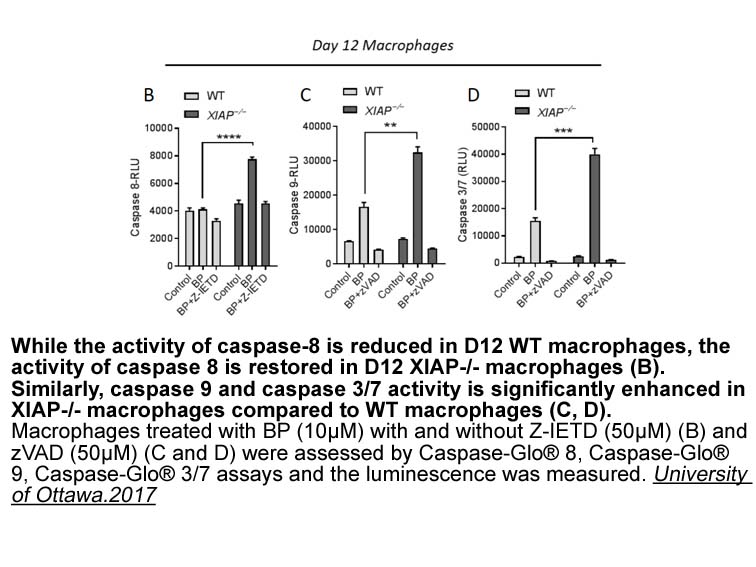
Any fk 506 mg damage, including that caused by β-amyloid, triggers activation of microglia, the resident immune cells of the CNS. These cells cluster around amyloid plaques, in which they extend cytoplasmic processes (Combs, 2009). The significance of this response is controversial, but one possibi
-
The ability of FFA to elevate intracellular levels of Ca
2021-10-08
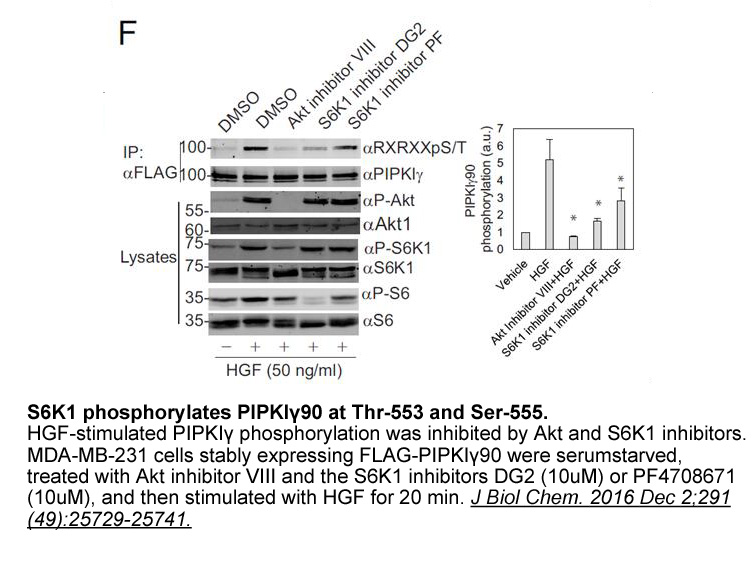
The ability of FFA4 to elevate intracellular levels of Ca2+5, 38, 39, 40 provided early predictions of a key role of the phosphoinositidase C-linked G proteins Gq and/or G11 in transduction of signals from this receptor, while later studies that examined production of inositol phosphates [41] provid
-
After the synthesis of methylsulfonyl or tetrazole surrogate
2021-10-08

After the synthesis of methylsulfonyl or tetrazole surrogate derivatives, compounds synthesized by introducing hydrogen, fluoro, and methyl groups into the head group of GPR119 agonists were synthesized. Compounds – were synthesized by reacting hydroxybenzaldehyde with fluorine, hydrogen, or a methy
-
Some years ago it has been described that
2021-10-08
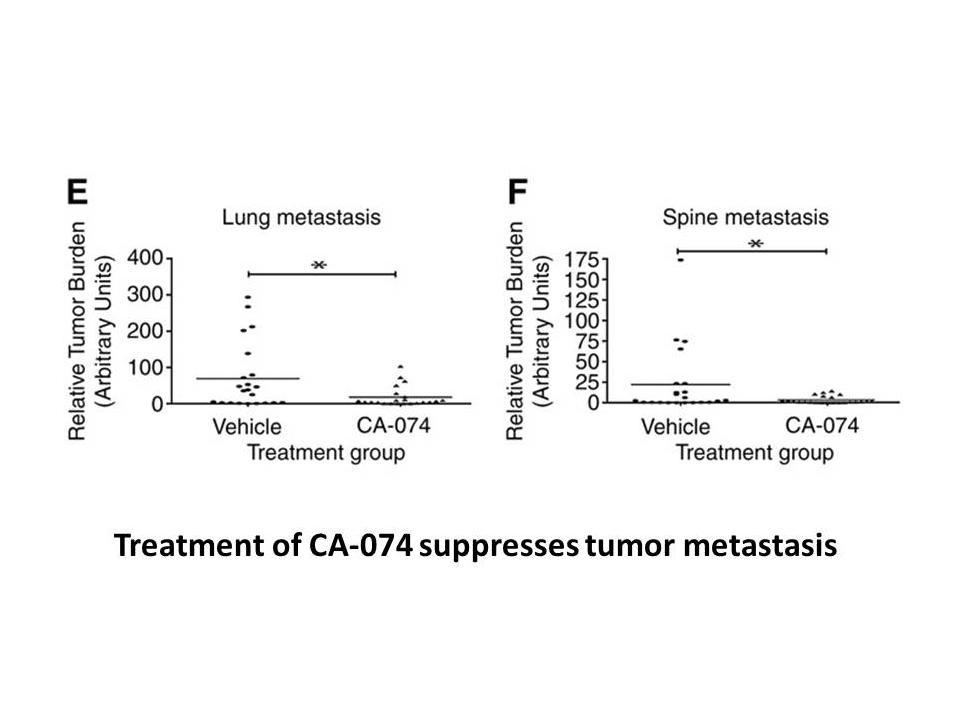
Some years ago, it has been described that CD45RA+ CD62L+ naïve CD4+ T cdc42 inhibitor can be further differentiated into two distinct subpopulations by analysing their surface expression of CD31(Kimmig et al., 2002a; Kohler and Thiel, 2009; Kohler et al., 2005b). CD31+ thymicnaive CD4+ T cells are
-
It is interesting to note
2021-10-08

It is interesting to note that GlyT1 and GlyT2 are modulated in a coordinated and opposite way as that shown in this work by different mechanisms and situations. An example is the purinergic control of GlyT1 and GlyT2 through P2Y receptors in brainstem and spinal cord neurons. This mechanism promote
-
To date glycine receptors have been
2021-10-08
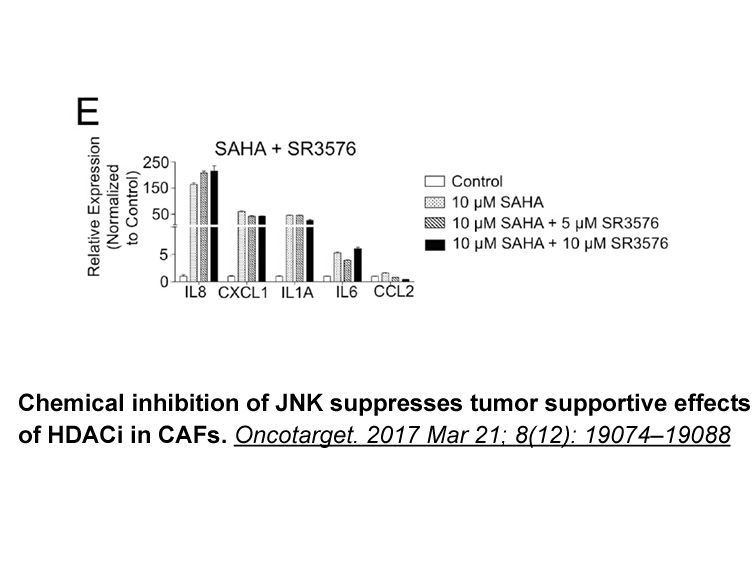
To date, glycine receptors have been found in five distinct transmembrane protein subunits (one β subunit and four α subunit (α1–α4)), combining to form two different types of functional receptors [4], [14], either α homomeric, the immature extrasynaptic glycine receptor subtype, or αβ heteromeric,
16766 records 616/1118 page Previous Next First page 上5页 616617618619620 下5页 Last page